Monday, April 18, 2022
Saturday, April 16, 2022
1.1 Meaning of Metaverse
1.1 Meaning of Metaverse
Welcome to the magical world of metaverse. Metaverse is an emerging reality and we all need to understand exactly what it is and how it works. This is the latest in a long list of technology confluences. Metaverse has the ability to transform all the things that people work with, learn, mingle with, play with, and buy into and what we currently carry on in our lives. In short, Metaverse is a new destination for individuals and organisations alike. In a few years, people and businesses will migrate their lives gradually but surely to the metaverse. This is a new digital settlement and a new digital land.
Metaverse is an immersive virtual world and useful for everything. You can work or play there. You can go to a concert and you can chill with friends. You can experience all of this through a virtual multidimensional representation of your own- called Avatar. Metaverse allows you to switch from browsing and scrolling the Internet into “walking on the internet. As one author has put “ In the metaverse users become walking and talking billboards”
The Internet is usually a two-dimensional experience but with Metaverse, you can walk through the three-dimensional world. Currently internet use is limited to just one screen where you can browse and scroll. . In addition to scrolls and browsing, you can walk through the Internet by using certain tools, such as handsets and smart glasses.
Metaverse is going to change the way it works for content writers and makers. It has to learn a new way to adapt to these technologies because of its various advantages. Because it is developing so fast and everyone should be ready with it.
In a few years, you (readers) can access the "Metaverse" version of this book using smartglass or similar wearables and enjoy the content of the book.
Since this is probably the first work or publication in Metaverse that you are reading, it is best to take some time to understand what the word means, how it has evolved and what the future may bring. "Metaverse" is a term that conveys different meanings to people: for some, it is an immersive virtual-reality experience within a continuous landscape; For others, a particular technology stack; For some, this is the vision of the future society.
Next
Sunday, April 10, 2022
Metaverse: A Product of Extended Reality
Metaverse: A Product of XR
Published on Linkedin

INTRODUCTION
Metaverse is a confluence of an assorted set of technologies. We will learn about extended reality(XR) in detail and its relationship with the metaverse. We will coverthe major topics like Metaverse ecosystems. What is XR, extended reality spectrum ,XR devices used to experience in Metaverse, XR features leveraging metaverse, its user benefits and XR opportunities.
Metaverse Technology
The metaverse framework is divided into two sub categories- namely Technology and ecosystem Each category has its focused areas. To begin with, let us understand the metaverse technologies- which is also known as 8 pillars of the Metaverse.
Humans can access Metaverse via extended reality and other techniques for achieving user interactions and interactivity. Artificial intelligence (AI), Blockchain, Computer vision, and the Internet of Things (IOT) or robotics are also used to handle diverse activities inside the metaverse through user interactivity and XR. Next for improving the performance of applications that are prone to delays and consumers more bandwidth, edge computing is employed. With the availability of the pre-processed data in the edge devices, it manages the local data sources. Cloud computing is well known for its storage capacity and highly scalable computations. Therefore, metaverse leverages edge-based and cloud-based services in order to achieve the maximum performance of application and user experiences. Combining computing and cloud services with advanced mobile networks can be used to support computer vision, IOT, AI, Robots on top of the suitable hardware infrastructure.
Metaverse Ecosystem
The other aspect of the metaverse framework is an ecosystem that describes a self-reliant and fast growing virtual world interacting inside the metaverse could be possible using the XR user interaction techniques like content creation where humans can create or control their avatars. The virtual economy is the result of these interactions inside the metaverse. Also these areas of social acceptability, security and privacy as well as trust and accountability are also considered in the metaverse ecosystem. This implies that the creation of the virtual economy must be aligned with social norms and regulations. For example, virtual economy, metaverse commerce, virtual objects trading, avatars etc must be protected from privacy risks and security threats. XR's existence in metaverse technologies is huge.
Extended Reality
XR stands for extended reality. It is an umbrella term used for the new set of technologies namely augmented reality, virtual reality and mixed reality that are changing the way we interact with the world and each other. Also, it will refer to any new technology that will come under the immersive technology spectrum.. Extended Reality includes real and virtual environments generated with the help of technologies and wearable devices for providing immersive experiences. It can also be defined as the collection of all the immersive technologies that combine the real and the virtual worlds. Metaverse is a virtual space that uses XR for creating fully immersive experiences. XR spectrum covers the hardware, software methods and experiences of AR, VR , AV and MR. Where AR stands for augmented reality, VR stands for virtual reality, AV for augmented virtuality and MR for mixed reality that is the virtual objects or things that are overlaid upon the real world. AR driven apps contributed to the metaverse world. VR basically replaces our physical reality. It is a computer generated virtual environment where the only virtual view is present. No real world view. You can VR using devices like HTC Vive, Sony Playstation VR, Google Daydream, Gear VR etc. MR reality is a blending of the real and virtual world with different degrees of augmentation. Some of the examples MR include Microsoft HoloLens and holograms Axer technologies allows the user to experience different immersive technology altogether across the metaverse space. Here simulations having sound, sight and even olfactory experience can be achieved using AR apps, VR handsets, haptic devices and holograms altogether in metaverse space. Userc can bring digital objects into reality, can see physical objects on the digital screen, can be part of the virtual world themselves, create an avatar and buy virtual and digital assets using crypto currencies. Majorly we have three types of devices.
XR Devices
- First one is handheld when you experience XR by holding the device in your hand for example smartphones, tablets etc.
- Next we have a head mounted device to experience the metaverse. For example Oculus HaloLens, Quest etc.
- *Third is the room sized devices. Here XR is experienced using multiple projectors and holograms.
XR capabilities
The core capability of XR is to utilise the visual input methods of objects around us, human gestures and Gaze tracking for navigation purposes and context sensitive information. Mapping and XR also needed throughout the depth and location features.
AR and VR in Metaverse
Both AR and VR provide different immersive experiences and are hence expected to have different capabilities. For VR, HD rendering pipeline, volumetric capture , six degrees of freedom motion tracking facial expression capture features are required. On the other hand, AR requires advanced features such as depth, occlusion, location, position, semantics, orientation, pose and gesture tracking. Both are utilised to create a metaverse space. XR has enhanced the way we see and interact with objects and 3D figures around us digitally. Mainly, extended reality helps the user to achieve deeper contextual understanding, accelerated perception, intuitive processing of abstract data and also create a tangible visualisation which leverages the metaverse experiences.
XR Opportunities
XR offers multiple opportunities to the world and organisations and institutes use extended to increase their work performance, mobility and efficiency. The major opportunities that XR has now days are
- 3D brand makeovers: Majority all 2D businesses will convert to 3D. So it will create many opportunities in the field.
- Virtual meetings and events: Even in the post covid period, virtual meetings will have importance because they save time and cost. And by using XR, it will be more and more immersive and better.
- Immersive websites: : Every site will have XR content for a better experience in the XR era.
- The AR cloud : It is a 3D copy of the real world. You can visit any place in a 6 -degree of freedom. An AR Cloud or Augmented Reality Cloud is a technology that aims to create immersive experiences by unifying the physical and digital worlds. As the name suggests, augmented reality is a technology that digitally augments the reality around a user when viewed through a phone or other digital viewing device.
Thursday, April 7, 2022
INTRODUCTION TO METAVERSE
INTRODUCTION TO METAVERSE
Content
History of web- Origin and evolution and Internet- web generations- web 1.0- Web 2.0- Web 3.0 - Metaverse - origins -
Published on Linkedin Articles
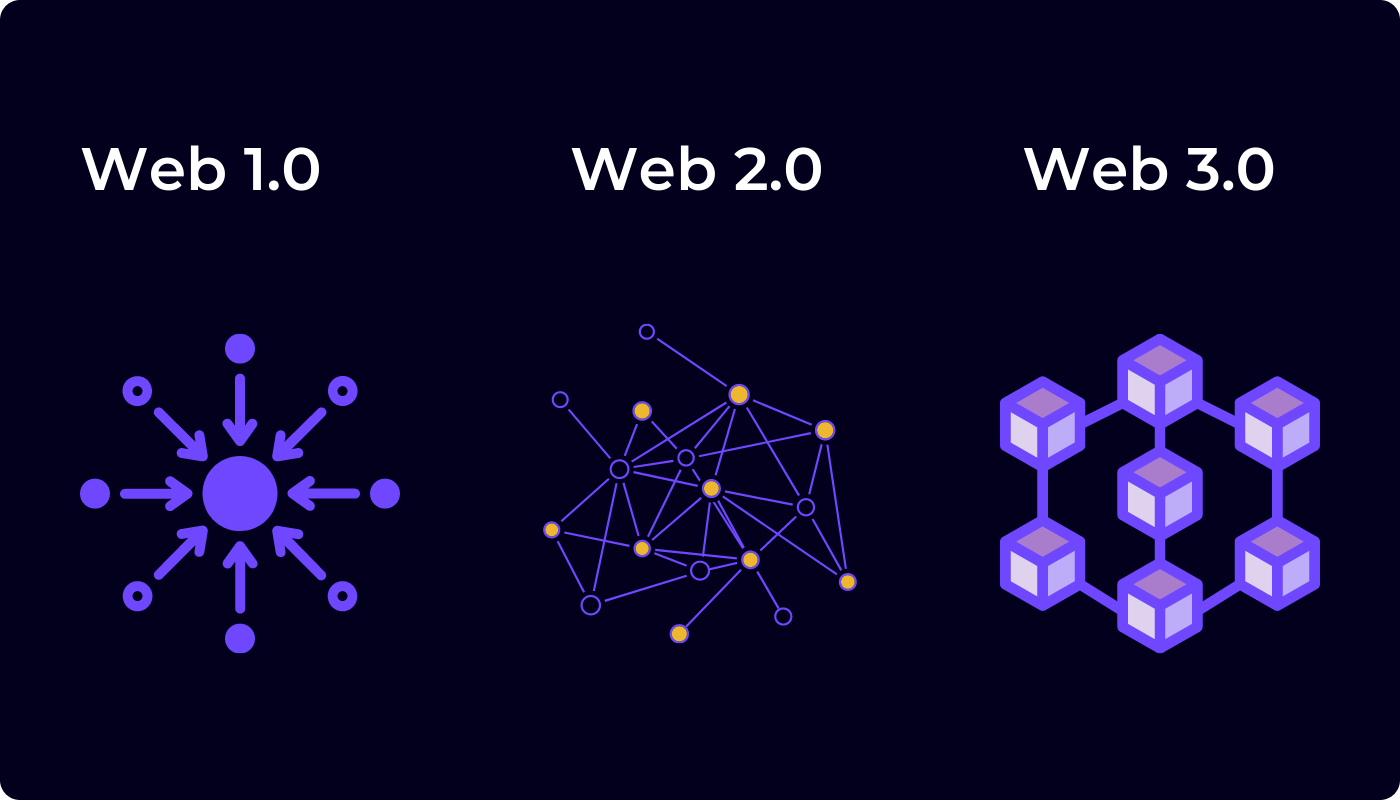
Image Source: World Economic Forum
Metaverse is the next version of the Internet. Hence, in this Chapter, we will learn about the origin and evolution of the internet or web. Let us start with the origin of the web. The concept of the web originated in CERN. It is derived from a French acronym that translates into European council for Nuclear Research. It was a provisional body founded in 1952 to establish a world class fundamental physics research organisation in Europe. There are a set of tools like internet, SGML and hypertext. The Internet is nothing but the infrastructure required early on by the web. SGML is the basis for document markup on the web and hypertext is the underlying linking structure for the web.
Tim Berner Lee
Tim Berner Lee was working at Switzerland’s European Organisation for Nuclear research as an independent contractor. In 1989, Tim Berner Lee created the world wide web. He is director of WWW consortium. This web standards organisation was created in 1994 and it creates interoperable technologies, specifications, guidelines, software and tools to help achieve its full potential. He is on the board of directors of WWW foundation- founded in 2009 to coordinate efforts to maximise the web’s potential for human benefit.
World Wide Web
World wide web is also known as the Web is an information system that uses Uniform Resource Locators ( URL) to identify documents and other web resources which then can be connected via hyperlinks and accessed through the Internet
WWW Consortium
It is an organisation whose members develop the specifications used on the web. The world wide web or web is a network of interconnected hypertext documents accessed over the internet. A web browser is used to view online sites that may contain text, photos, videos and other multimedia and move between them using hyperlinks. Tim Berner Lee proposed creating the world wide web on March 12th, 1989. The 1989 proposal was intended for a more efficient CERN communication system but Berner soon realised that notion could be used globlally. In 1990, Berner Lee and Belgian computer scientist Robert Cailliau proposed using hypertext to link and access information of various types as a web of nodes in which the user can browse. In this manner, the first web service was created and tested. Later it was confined to the World Wide web.
Versions of the Web
There are three versions of Web namely Web 1.0, Web 2.0 and Web 3.0
Web 1.0
Web 1.0 is the readable phrase of the web with flat data. In web 1.0 there is only limited interaction between sites and users. Web 1.0 is simply an information portal where users passively received information without being allowed to post reviews, comments and feedback. Web 1.0 comprises static web pages. These were nothing but brochureware.
Web 2.0
Web 2.0 is a writable phrase of the world wide web with interactive data. Unlike web 1.0 , web 2.0 facilitates interaction between web uses and sites- allowing users to interact more freely with each other. It encourages participation, collaboration and information sharing. Examples of web 2.0 applications are Youtube, Wiki, Flicker, Facebook etc. Web 2.0 has features like keyword search and tagging. Web 2.0 user experience is excellent.
Web 3.0
Web 3.0 is the executable phrase of the world wide web with dynamic applications , interactive services and machine to machine interactions. Web 3.0 is a semantic web that refers to the future. In web 3.0 computers can interpret information like humans and intelligently generate and distribute useful content tailored to the needs of the users. One example of web 3.0 is Tivo - a digital video recorder. Its recording program can search the web and read what it finds to you based on user preference.
Web3 is a collection of design patterns and methods in which Web-based applications use peer-to-peer or blockchain-based platforms for storing data rather than centralised servers and walled-garden platforms. A Web3 wallet is a browser plug-in that allows you to access cryptocurrencies and interact with smart contracts on web pages.
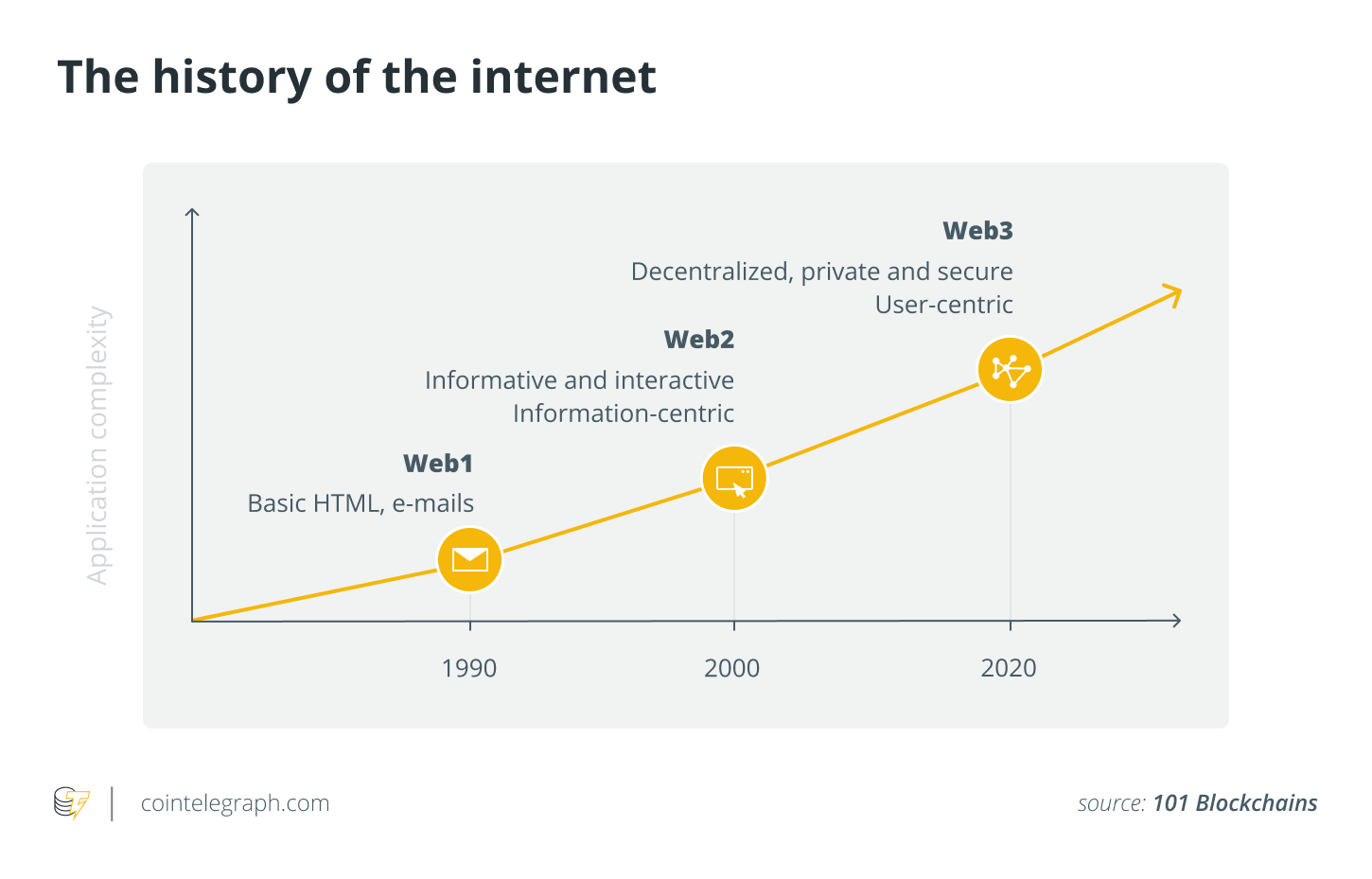
Image Source: Cointelegraph
Web 1.0 is the initial web implementation and lasted from 1989 to 2005. It is defined as a network information connection. Tim Berner Lee, the inventor of the world wide web considers the web to be read only. It offers little interactivity in which consumers may exchange information with one another. But it is not possible to communicate with the web site. The web’s role was primarily passive in nature. Web 1.0 is the first version of the world wide web and it is roughly described as “ it is an information space in which the items of interest referred to as resources are identified by global identifiers called Uniform Resource identifiers ( URI). The first generation of the internet was characterised by static web sites used solely for content delivery. In other worlds, the early web enabled us to search for and read information. There was hardly any user participation or content contribution. In web 1.0 technique, some organisations create apps that allow users to get content from the web but they don't see the application function. HTML, HTTP and URIs are the technologies used in web 1.0. Other protocols used in web 1.0 include XML, XHTML and CSS, ASP, PHP, JSP, CGI, Pearl are examples of mixed server and client technologies. Javascript, VB script and Flash are used on the server side on the client side. Web 1.0 is extremely sluggish and users must refresh the site every time new information is posted to the web pages. The web 1.0 issue is that it only works in one direction. In other words, user is not permitted to submit or alter the web page
Web 1.0 Characteristics
Now let us look at characteristics of web 1.0. HTML, HTTP and URI are among the essential web protocols included in web1.0. The following are the primary characteristics of web 1.0. They have read only content. Create a web presence and make their information accessible at all times to anyone. It uses basic hypertext markup language and provides static web pages
Limitations of web 1.0
The content on web 1.0 pages was only readable by humans and was not machine compatible. The webmaster was entirely responsible for keeping users up to data and managing the web site’s content. There was no online console available to execute dynamic events due to lack of dynamic representation to collect only static information.
Web 2.0
Web 2.0 is the second generation of the web Dale Dougherty characterised it as a “read-write web” in 2004. The idea was born during a brainstorming session at a conference between O'Reilly and Media Live International. Web 2.0 technologies enable the gathering and management of enormous worldwide populations with shared interests in social interactions. Tim O'reilly defines web 2.0 as follows. Web 2.0 is the business revolution in the computer industry caused by the move to the internet as a platform and any attempt to understand the rules for success on the new platform. Chief among those rules is this: build applications that harness network effects to get better and more people use them. Web 2.0 enables qualities such as participatory, collaborative and dispersed practices Allowing formal and informal spheres of daily activities to take place on the web. In other words, it resembles important distinguishing features of web 2.0 such as relationship technologies, interactive media and a social digital technology known as wisdom web, people centric and participatory web which facilitates reading and writing on the web, making web transactions bi-directional. Web 2.0 is a web as a platform user abandons many of the controls they have used in web 2.0. In other words web 2.0 users have more involvement and less control. Web 2.0 is not only a new version of web 1.0 but also implies flexible web design, creative reuse, updates, collaborative content creation and mediation in web 2.0 which should be considered as one of the outstanding features of the web 2.0 is support to collaboration and help gather collective intelligence.
Web 2.0 characteristics
Web 2.0 is a term developed by Tim O'reilly and colleagues to describe the transition of the world wide web to a new era of use and service creation. The classification can be used to expand the understanding of web 2.0 gained from various definitions.
Technology centric definition. The web has developed into a platform with software that extends beyond the capabilities of Single device. Technology connected with blogs, wikis, podcasts, RSS feeds and so on
Business centric Definition: A method for designing software and enterprises. The business revolution in the computer industry brought about by the shift to the internet as a new platform.
User-centric Definition
The term social web is frequently used to describe community based websites. It's all about content management and innovative ways for people to communicate and interact with one another. Web applications that aid in the generation of communal knowledge, social networking and flow of information between users.
Web 2.0 Limitations
The first point is that changes and updates are iterated regularly. The second point is ethical considerations in the development and use of web 2.0. The third is there is still lack of interconnectivity and knowledge exchange among platforms beyond community borders
Web 3.0
This new iteration of the web aims to put more control over the web content in the hands of its users. It is built on the pillars of blockchain technology. Aiming to eliminate big intermediaries and centralised agencies controlling the web. The main intention of fully resuming power is still a dream but the focus is day by day changing. For its adoption to create a more decentralised and democratic version of the internet. These changes bank upon the smart contract capabilities of the blockchain and incorporate decentralised applications into the ecosystem replacing the centralised versions.
Web 3.0 and Metaverse
The expansion of Metaverse is tied to the development of web 3.0 which many in the industry believe to be the next chapter of the Internet's existence. Also known as the decentralised web, web 3.0 focusses on connecting data in a decentralised way rather than its stored centrally. It is being combined with virtual reality to create an immersive version of the internet. Aiming to create a seamless universe. This enables users to live in a virtual world the way we live in our physical lives. Web 3.0 is what makes the metaverse a reality.
Terminology
Web 1.0 URI CGI
Web 2.0 HTML Pearl
Web 3.0 HTTP JavaScript
Read Web XML VBScript
Read Write Web XHTML Server Side
Execution Web PHP Client Side
References:
Friday, April 1, 2022
METAVERSE: A Brave New World
METAVERSE: A Brave New World
Published in Linkedin https://www.linkedin.com/pulse/metaverse-brave-new-world-ravindra-dastikop/
INTRODUCTION
Metaverse is the latest in the long list of technological developments. It has the potential to transform the very way we learn, work , earn, socialise with others, and live. Metaverse is a creative confluence of an assorted set of technologies developed over the last decades. Metaverse refers to a collection of shared online worlds. In Metaverse, physical augmented, and virtual reality converge. It enables people to work, socialise, shop, and train or get trained in new and innovative ways.
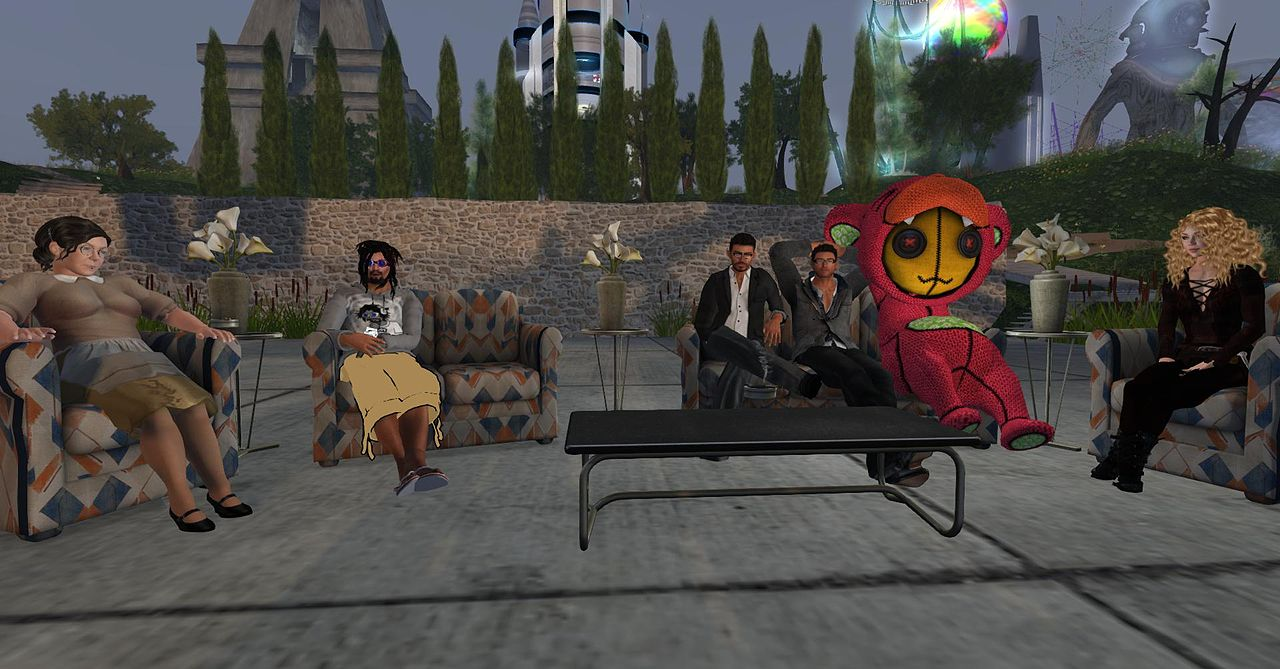
Image Credit Wikipedia - HyacintheLuynes
Social media giant Facebook recently announced to rebrand itself as Meta and the plan to build the “metaverse”. The move comes as a major landmark in the field of technological innovation and how we interact with it. The rebranding of the company shows how it desires to go beyond the social networking platform and enter into the world of extended reality.
Metaverse is a digital reality that combines aspects of social media. online gaming, augmented reality. virtual reality and cryptocurrencies to allow users to interact virtually. Augmented reality overlays visual elements, sound, and other sensory input onto real-world settings to enhance the user experience. As the metaverse grows, it will create online spaces where user interactions are more multidimensional than currently supported by technology. Instead of just passively viewing digital content, users in the metaverse will be able to immerse themselves in a space where the digital and physical worlds converge
In simple terms, the metaverse is an online, 3D universe that combines various virtual spaces and allows users across the globe to meet, chat, work, and play games together. The metaverse will be driven by augmented reality (AR) and virtual reality (VR), with users controlling their own digital avatar(s).
ORIGIN
The word 'metaverse’ is a combination of two words – “meta” which is of Greek origin means “beyond” and “verse” comes from the word “universe”. The concept points towards a place that is beyond the known world or universe. It can be also termed as a virtual realm that seems to be real.
The idea is not that new as we are already familiar with video games, Oculus headsets and game consoles that immerse us into virtual worlds. However, the term was first used in the novel Snow Crash in the year 1992 authored by Neal Stephenson. The novel presents the metaverse as the ultimate evolution of the Internet. The book shows how virtual interactions in virtual reality may have an impact on the real world as well.
After the release of Snow Crash, several other books, films and television shows tried to portray this idea in their works. Ernest Cline’s novel Ready Player One (2011) and Steven Spielberg’s movie Ready Player One (2018) adapted from the same book are such prominent examples.
All these works try to convey one common idea – “metaverse” (being able to do everything in the virtual world that one can do in the real world)
The metaverse space is a combination of multiple elements, where users can "live" within a digital universe and interact with other users. Some of the elements involved in metaverse include blockchain technology, virtual reality, augmented reality and game theory.
METAVERSE MEANING
A Metaverse is a form of “extended reality”. This “extended reality” may be a combination of augmented, virtual and mixed reality.
Augmented Reality (AR):It enhances the real physical world experience by using digital visual elements, sound, or other sensory stimuli delivered via technology. It uses the existing real-world environment and adds virtual information to it for enhancing the experience. ARs can be accessed by using a smartphone and the users can control their presence in the real world.
Virtual Reality (VR) It enhances fictional worlds by using technology. It creates a virtual or artificial environment and immerses the users in it. It can be accessed by using a headset and the users are controlled by the system.
Mixed Reality: Introducing digital elements in the real world and merging the real world with the virtual one (Internet).
It will be a digital reality that will combine aspects of social media, online gaming, and other things allowing users to interact virtually for work, meetings or gaming through VR headsets, AR glasses and smartphones. It will be a 3-D virtual habitat where our digital avatars may operate, interact with others .
METAVERSE : PURPOSE
Currently, people interact online by going to websites such as social media platforms or using messaging applications The idea of the metaverse is that it will create new online spaces in which people's interactions can be more multi-dimensional, where users are able to immerse themselves in digital content rather than simply viewing it.
In the time of the recent pandemic, it became essential to do everything remotely or without being physically present at a given place to do a particular work. The most obvious example of such discourse is the work from home culture. While video conferencing platforms like Zoom and Microsoft Teams became commonplace and essential during the pandemic, they also came with problems like video conferencing fatigue. Metaverse may offer the best solution to this problem.
The accelerated interest in the metaverse can be seen as a result of the Covid-19 pandemic. As more people started working and schooling remotely, there has been increased demand for ways to make online interaction more lifelike.
In short, the main purpose of the metaverse is to allow a greater overlapping of our digital and real lives for wealth creation, socialization, productivity and entertainment.
TECHNOLOGIES
Metaverse is powered by the following eight technologies : (1) Extended Reality, (2) User Interactivity (Human-Computer Interaction), (3) Artificial Intelligence, (4) Block-chain, (5) Computer Vision, (6)Edge and (7) Cloud computing, and (8) Future Mobile Networks.
Metaverse is a decentralised open platform. It is based on public blockchain technology that encompasses “ Digital Assets” and “Digital Identities”. Metaverse is a general technology platform that can be utilized by enterprises and individuals.
Blockchain technology, which allows for trust-less transactions and undebatable ownership of assets, is being seen as a major enabler in metaverse transactions. Metaverse allows users to buy, sell or upgrade their assets like homes, weapons or skins in virtual space.
The use of blockchain infrastructure in metaverse may facilitate tapping into the cryptocurrency economy and making virtual items exchangeable for real economic value.
By using engaging and immersive virtual world elements and network interactivity of social media, metaverses may become an essential element of blockchain games on the Internet. It may also help guarantee the safety and security of data and financial transactions taking place on metaverse.
The metaverse is a digital reality that combines aspects of social media, online gaming, augmented reality (AR), virtual reality (VR), and cryptocurrencies to allow users to interact virtually. Augmented reality overlays visual elements, sound, and other sensory input onto real-world settings to enhance the user experience. In contrast, virtual reality is entirely virtual and enhances fictional realities.
OPPORTUNITIES
Metaverse is fueling a virtual real estate boom. For instance, Decentraland, which is a metaverse built on the Ethereum blockchain, allows users to buy virtual plots of land via MANA, an in-house cryptocurrency. Other platforms like Axie Infinity and Sandbox too allow users to buy virtual properties in cryptocurrencies.
Metaverse is also becoming a lucrative industry in itself. According to the Greyscale report, the market opportunity for "bringing metaverse to life" may be worth over $1 trillion in annual revenue. Additionally, metaverse, the report argues, will compete with Web 2.0 companies like Facebook
Given that metaverse provides an immersive virtual experience akin to the real world, it is a natural "next frontier" for the gaming industry. "In addition to creating better ecosystems and making gaming more transparent, metaverse paired with the increased solutions of non-fungible tokens will help offer better engagement, virality, and monetization for games.
Metaverse is set to become a major contributor to the world economy. PWC has predicted that the metaverse ecosystem will be worth over 1.5 trillion by 2030, impacting sectors like gaming, healthcare, ed-tech, and "Industry 4.0". "Play-to-earn applications are creating a new economy where service roles and monotonous roles can be replaced with new fun ways to earn money, noted Ryder, adding such an economy will grant more freedom to a low-wage worker.
The metaverse has the potential to grow strongly. Artificial intelligence (AI) has also grown tremendously after 75 years of not seeing the light. “Cloud computing” was developed in the 1960s and came to the limelight only around 2006 on wards. The Metaverse will go the same way.
Celebrities are already riding the metaverse bandwagon, with many creating their virtually 'avatars' and monetizing them as merchandise. "This is an opportunity for artists and influencers to better reach their fans and create new businesses,
USER PARTICIPATION
Metaverse enables the user to
Play, work and stay connected with others virtually
Attend virtually attending work events, conferences, virtual vacations and entertainment events.
Allow an individual to buy or sell a virtual property as one does with physical property.
trade of cryptocurrencies.
to create their virtual property.
The metaverse combines four categories: (1) AR(Augmented Reality), (2) Mirror World, (3) lifelogging (the act of recording one's daily life with a portable camera or digital device), and (4) Virtual World In the metaverse, you could use a VR headset to take a fully immersive meeting in a virtual room, with the digital avatars of other attendees sitting on the same 3D table. Then, you could log off work, and use the same headset to join your friends in a blockchain-based VR game where your group goes on an adventure to hunt for treasure.
CHALLENGES
As the metaverse space expands, so will the amount of data it generates. This, many experts observe, will lead to questions about data reliability and safety. Blockchain technology, known for its data security and immutability, is being seen as a one-stop solution to the problem. Some of the challenges posed by metaverse world are listed below
INFRASTRUCTURE
Building a metaverse will require a bulk of resources such as hardware, software and content. It will not be possible for a single company to build in and attract so many resources single-handedly.
Additionally, the infrastructure required is not that robust at this moment. The current form of the Internet may not be able to allow its functioning properly. It will need a broader and complex set of standards and protocols than the traditional Internet.
This will require large companies like Google, Amazon and others to come together and invest robustly to ensure cross-integration.
IDENTITY FRAUD
Metaverse will be a virtual world almost. So, there is a huge possibility of forgery of facial features, footage and voice.
Furthermore, it will be difficult to identify in case of forgeries whether it is an individual or a bot trying to replicate one’s existence in the virtual world.
DATA PRIVACY AND SECURITY
For its functioning and providing the facilities metaverse promises to provide, it will collect a vast amount of user data for individual identification, advertisement, and tracking through multiple channels, like wearable devices, microphones, heart and respiratory monitors. If at any stage there is a security breach then that may lead to privacy issues for the users.
Since many financial transactions will take place in the virtual marketplaces, maintaining the security of such transactions might be a serious issue. It will be a mammoth task to convince users to feel safe and persuade them to carry on tasks related to currency and payments on metaverse.
REGULATORY AND LEGISLATIVE ISSUES
Metaverse will engage users from various domains at various levels all over the world. Therefore, it will be a difficult task to regulate it.
Identification of jurisdictional and law-making authority will be a tough task further.
Questions regarding the jurisdictional authority over metaverse may fuel conflicts among various nations as they may look inward to enforce their legislation.
OWNERSHIP AND PROPERTY RIGHTS
Metaverse will involve the purchase and sale of various virtual assets as well as such items which will have real-world value. Examples include digital assets and tokens. The virtual world assets or items may also represent real-world objects such as art, music, videos and much more.
Granting, verifying and proving the ownership rights or possessions over such items will also be a huge challenge.
LOSS OF TOUCH WITH REALITY
Since augmented, virtual and mixed reality will play an important role in the metaverse, they will require the users to immerse themselves in it. This immersion or suspension of consciousness unconsciously may distort the sense of time and space among individuals.
People may be so immersed in virtual reality that they may lose touch with the real world.
OTHER
These include issues regarding censorship, control of communications, tax reporting, the prevention of online radicalization, and many more.
METAVERSE FUTURE
Metaverse is a concept full of possibilities. It entails both challenges and opportunities. On one hand, it will facilitate seamless and hassle-free interactions at various levels while on the other it will have to develop secure unique verification systems for varied transactions that may take place in it. Even though we are at the beginning of this technological revolution, it will require awareness and responsible planning on the part of various stakeholders to ensure a safe and secure universe beyond this realm.
Featured post
AI Engineering Hands-On Lab #001 — Build an AI Answer Reliability Test Bench Without Code
AIYING | Daily 24 — Post 009 AI Engineering Hands-On Lab #001 Build an AI Answer Reliability Test Bench — Without Writing Code Lea...

